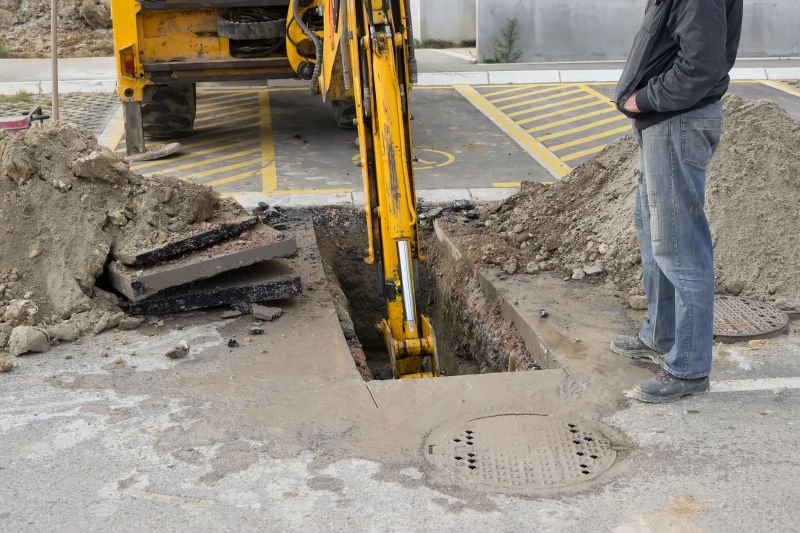
Backhoe Trenching in Atlanta, GA
Backhoe trenching services involve the use of a backhoe loader to dig narrow, precise trenches in residential properties. These trenches are commonly used for installing underground utilities such as water lines, electrical wiring, drainage systems, and sprinkler lines. Homeowners often request this service for projects that require careful excavation in tight spaces or areas where minimal disruption to the landscape is desired, making it ideal for yard renovations, landscaping, or repairs.
Before requesting backhoe trenching, property owners should consider the location of underground utilities, property boundaries, and access points to ensure a smooth process. It’s also helpful to understand the depth and width of the trenches needed for the specific project, as well as any local regulations or permits that may apply. Clear communication about the scope of work can help ensure the trenching aligns with project requirements and minimizes potential complications.
Many property owners in Atlanta, GA look into Backhoe Trenching for repairs, replacements, upgrades, and appearance-related improvements.
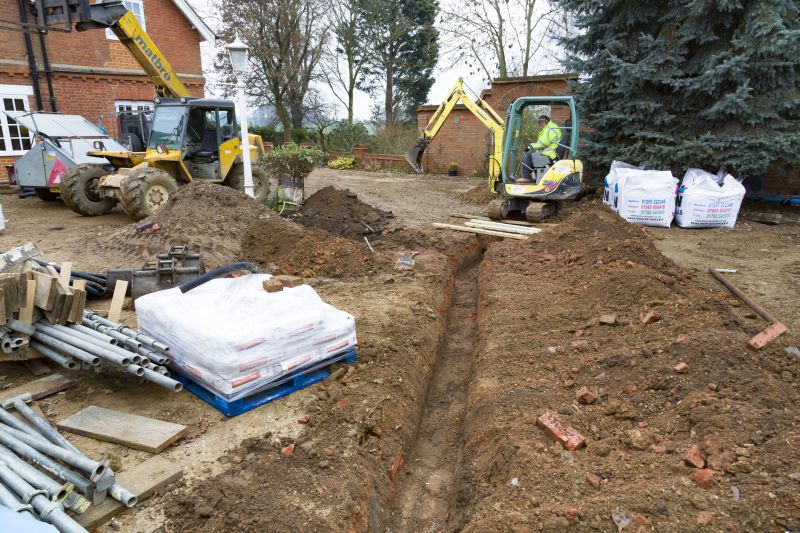
Residential Trenching Solutions
Backhoe trenching is ideal for installing utilities, drainage, and irrigation systems on residential properties in atlanta.
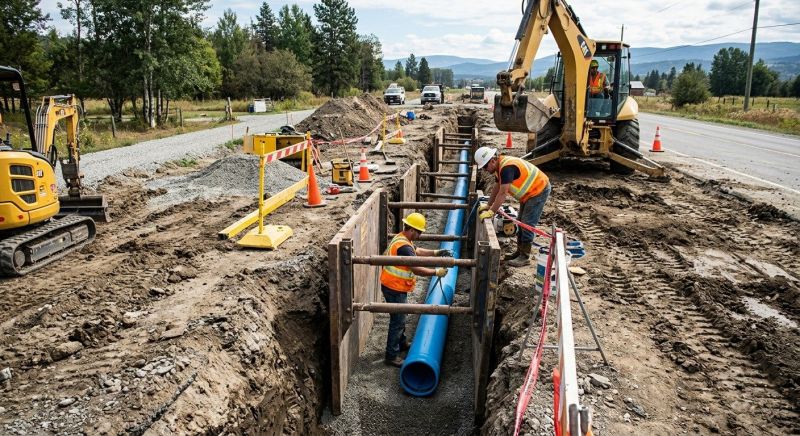
Property Development Support
Trenching services help prepare land for construction projects, including foundation work and landscaping in the atlanta area.
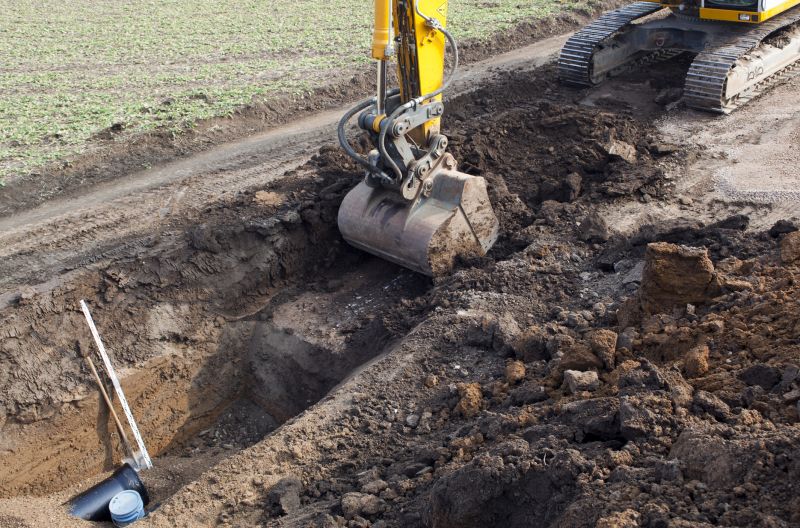
Utility Installation And Repair
Backhoe trenching efficiently lays underground cables, pipes, and conduits for various infrastructure needs across atlanta neighborhoods.
Backhoe Trenching in Atlanta, GA
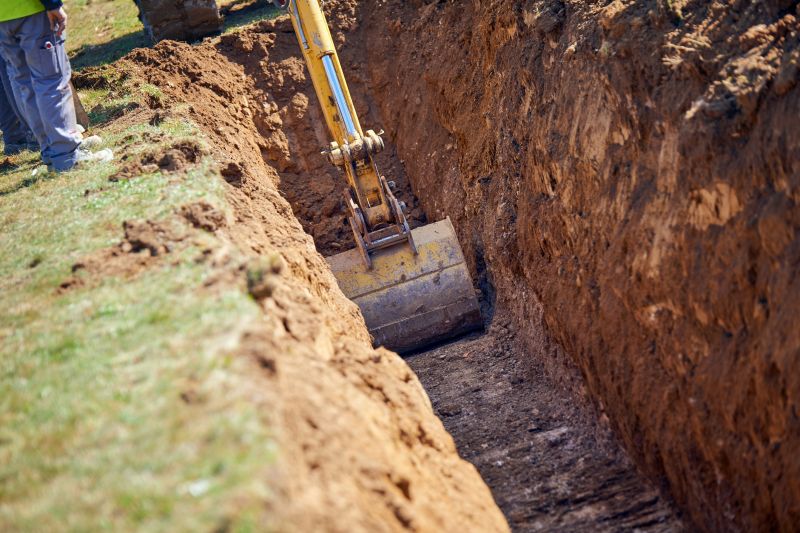
Backhoe trenching services involve the use of a backhoe loader to dig narrow, precise trenches in residential properties. These trenches are commonly used for installing underground utilities such as water lines, electrical wiring, drainage systems, and sprinkler lines. Homeowners often request this service for projects that require careful excavation in tight spaces or areas where minimal disruption to the landscape is desired, making it ideal for yard renovations, landscaping, or repairs.
Before requesting backhoe trenching, property owners should consider the location of underground utilities, property boundaries, and access points to ensure a smooth process. It’s also helpful to understand the depth and width of the trenches needed for the specific project, as well as any local regulations or permits that may apply. Clear communication about the scope of work can help ensure the trenching aligns with project requirements and minimizes potential complications.
Many property owners in Atlanta, GA look into Backhoe Trenching for repairs, replacements, upgrades, and appearance-related improvements.
Common Backhoe Trenching Jobs
Drainage installation - trenches for proper water flow away from foundations.
Utility line installation - creating channels for electrical, gas, or water lines.
Landscape grading - shaping the ground to improve drainage and prevent erosion.
Foundation excavation - preparing soil for new or existing foundation work.
Fence post digging - trenching for secure and level fence installation.
Stormwater management - installing systems to control runoff and protect property.
Backhoe Trenching Questions
What types of projects require backhoe trenching? Backhoe trenching is used for installing utilities, drainage systems, and landscaping features around properties.
Is backhoe trenching suitable for small residential yards? Yes, backhoe trenching can be scaled to fit smaller property sizes for various home improvement projects.
What should property owners consider before trenching? It's important to identify underground utilities and plan the trench location to avoid disruptions or hazards.
How deep can a backhoe trench typically be? Trench depths usually range from 2 to 6 feet, depending on the project requirements and local codes.
Request Backhoe Trenching in Atlanta, GA
Use the quote form on this page to share the basics of your project and request more information for the type of work you need.