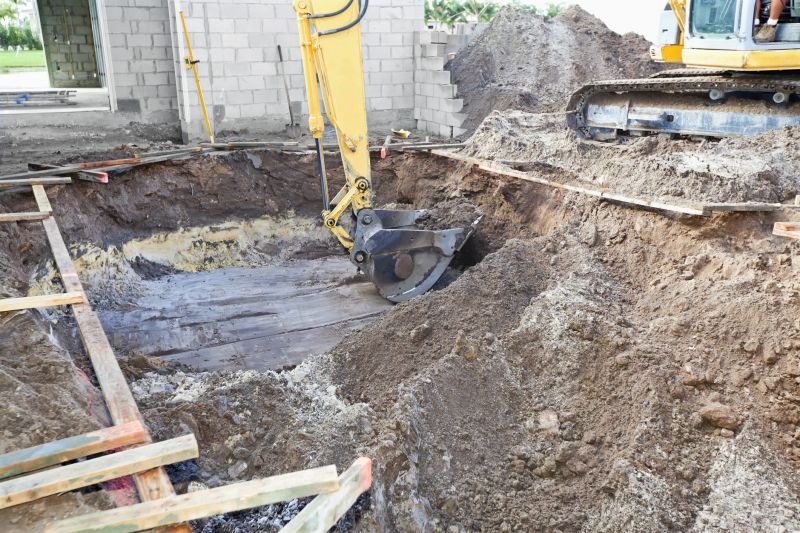
Pool Excavation in Houston, TX
Pool excavation services involve the removal of soil and debris to create a suitable foundation for installing a new swimming pool or making modifications to an existing one. This process typically includes grading the site, digging the pool basin to specified dimensions, and preparing the surrounding area for proper installation. Property owners often request this service for new pool construction, enlarging existing pools, or replacing outdated or damaged pools, ensuring the site is properly prepared for safe and efficient installation.
Before requesting pool excavation, homeowners should consider factors such as the size and shape of the desired pool, access to the property for heavy equipment, and any underground utilities that may be present. It’s also helpful to understand local regulations or permits required for excavation work. Clear communication about project goals and site conditions can facilitate a smooth process, helping property owners achieve their backyard swimming pool plans effectively.
Many property owners in Houston, TX look into Pool Excavation for repairs, replacements, upgrades, and appearance-related improvements.
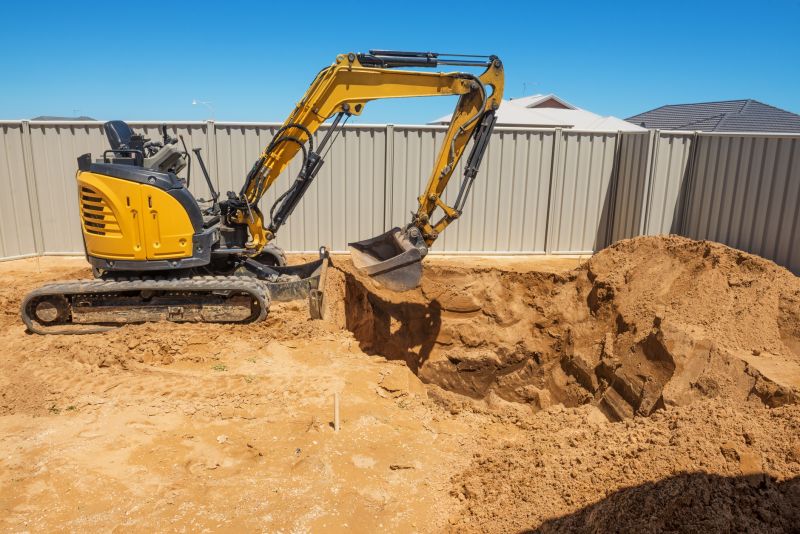
Pool Excavation Planning
Proper site assessment ensures a smooth excavation process for your houston property.
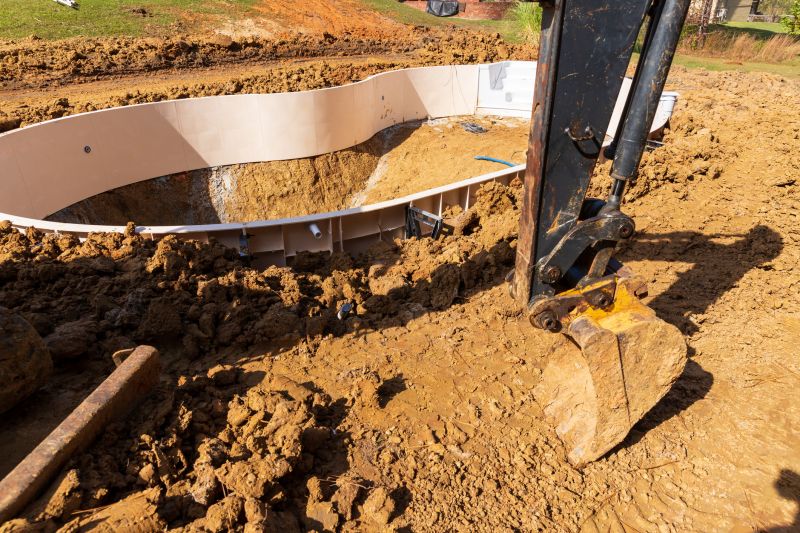
Excavation Techniques
Different methods are used to safely and efficiently remove soil for pool installation.
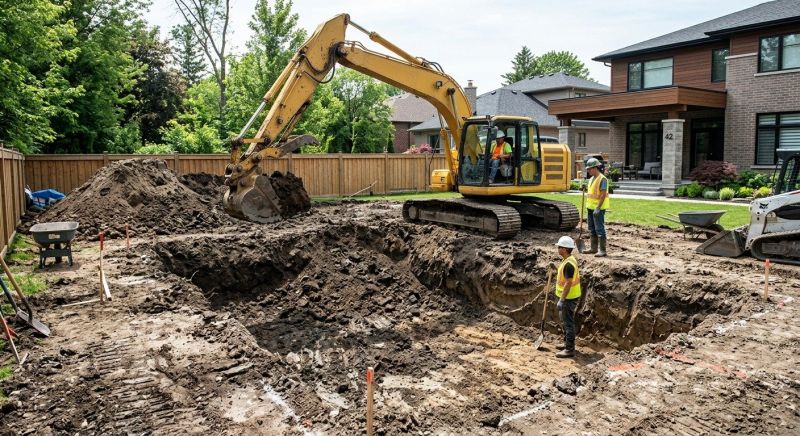
Post-Excavation Preparation
Preparing the site correctly helps ensure a stable foundation for your new pool.
Pool Excavation in Houston, TX
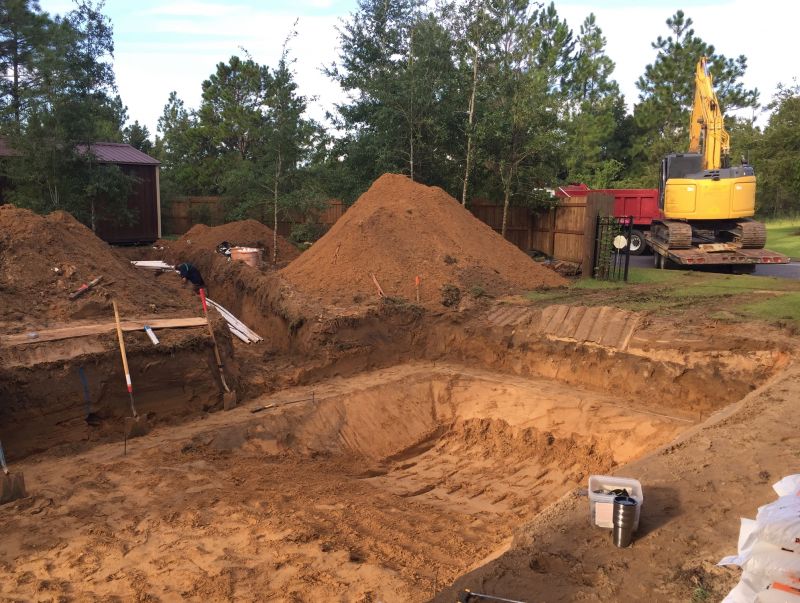
Pool excavation services involve the removal of soil and debris to create a suitable foundation for installing a new swimming pool or making modifications to an existing one. This process typically includes grading the site, digging the pool basin to specified dimensions, and preparing the surrounding area for proper installation. Property owners often request this service for new pool construction, enlarging existing pools, or replacing outdated or damaged pools, ensuring the site is properly prepared for safe and efficient installation.
Before requesting pool excavation, homeowners should consider factors such as the size and shape of the desired pool, access to the property for heavy equipment, and any underground utilities that may be present. It’s also helpful to understand local regulations or permits required for excavation work. Clear communication about project goals and site conditions can facilitate a smooth process, helping property owners achieve their backyard swimming pool plans effectively.
Many property owners in Houston, TX look into Pool Excavation for repairs, replacements, upgrades, and appearance-related improvements.
Common Pool Excavation Jobs
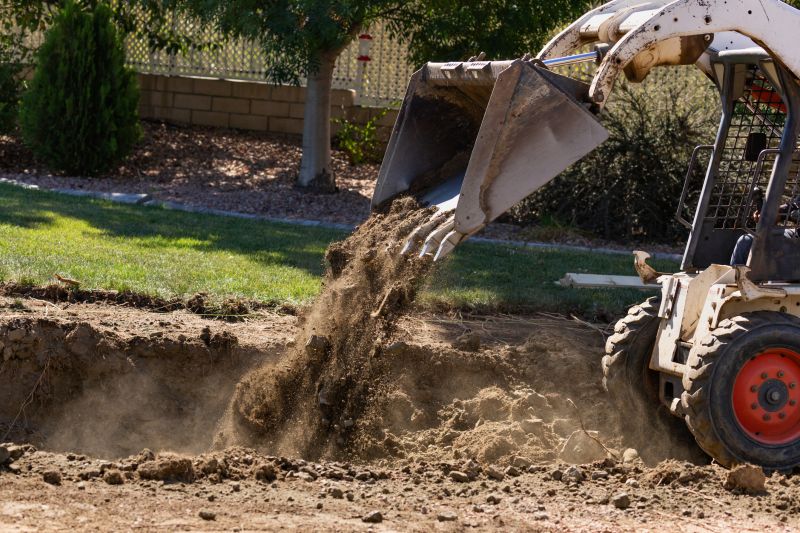
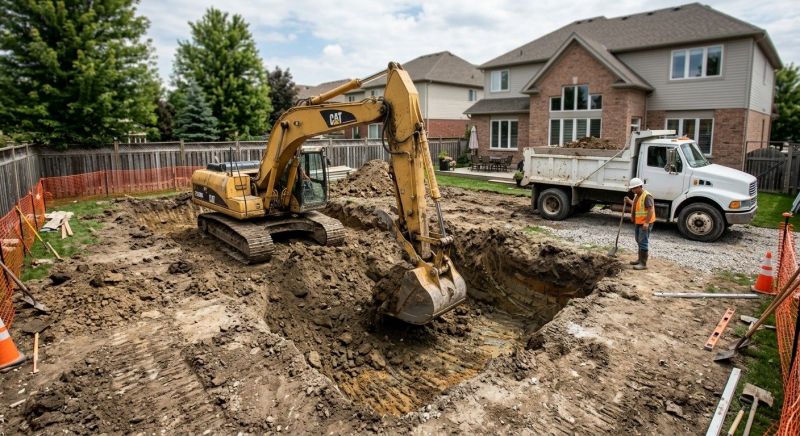
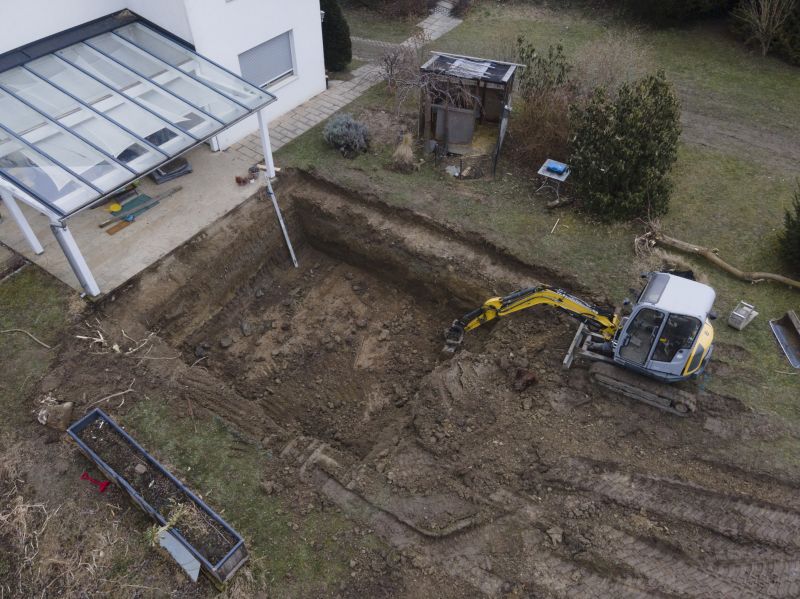
Pool excavation involves removing soil to prepare the site for new pool installation or renovation.
Existing pool removal includes excavating and hauling away old or damaged pools for property cleanup.
Site grading ensures proper drainage and level ground for safe, stable pool placement.
Land clearing involves removing trees, shrubs, and debris to create a suitable area for pool construction.
Soil assessment and preparation help determine the best foundation and ensure stability for the new pool.
Landscape excavation includes shaping the surrounding area to enhance pool aesthetics and functionality.
Pool Excavation Questions
What types of pools require excavation? Excavation is needed for new in-ground pools, whether they are vinyl, fiberglass, or concrete designs.
How deep is the excavation process? The depth depends on the pool design, typically ranging from 4 to 10 feet to accommodate the pool structure and surrounding area.
Is the surrounding landscape affected? Some grading and site preparation may be necessary to ensure proper drainage and stability around the pool area.
What should property owners know before excavation? Proper planning includes ensuring access to the site and understanding the underground utilities to prevent disruptions.
Request Pool Excavation in Houston, TX
Use the quote form on this page to share the basics of your project and request more information for the type of work you need.